Delivery in 2-3 working days

What are over-ear headphones?
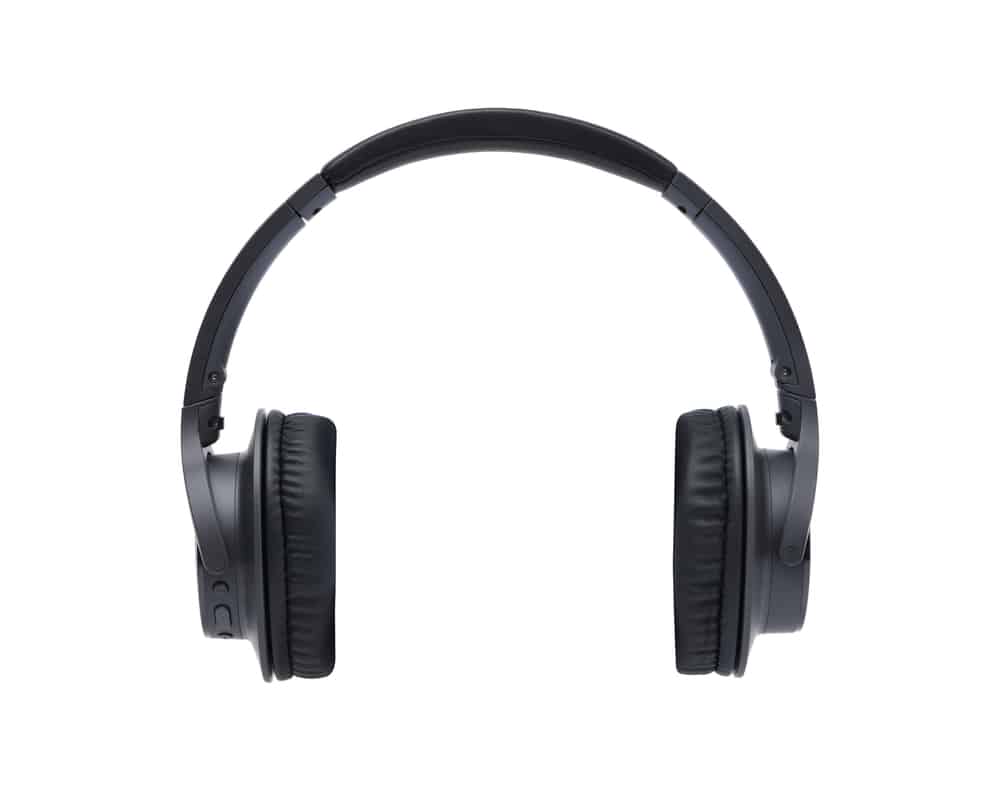
Some headphones rest on the ears, while others fit inside the ears. Over-ear headphones work differently. Their large ear cushions wrap around the outer ear and enclose the entire ear, held in place by a padded headband that goes over the head. It is precisely this enveloping design that characterizes over-ear headphones.
This can be especially helpful when watching TV. The sound comes close to your ear, and you can adjust the volume independently of the rest of the room. However, this design isn't ideal for every situation—especially when several people are watching together, when you want to be able to carry on conversations in the room, or when it becomes uncomfortable for your ears.
What Are Over-Ear Headphones?
The name describes the design quite accurately. Over-ear headphones don't sit on top of the ear or inside the ear, but rather around it. There are two characteristics that explain why this design sounds so unique and, at the same time, feels so unique to wear.
1. The over-the-ear design
Over-ear headphones have large ear cups with cushions that completely enclose the ear. In technical terms, this is called “over-ear” or “circumaural.” An adjustable headband connects both sides over the head and supports the weight. Because the ear cushions seal around the ear, a small enclosed chamber is created where the sound is produced. The degree to which the ear cushions seal the ear helps determine how much sound reaches the listener and how much outside noise is blocked out. Sound quality and comfort can therefore vary considerably and be perceived quite differently from person to person.
Closed or open
Among over-ear models, there’s another difference that’s often overlooked. Closed-back headphones seal off the ear cups from the outside and significantly dampen ambient noise. Open-back models intentionally allow some sound to pass through. They sound airier and more natural, but offer virtually no noise isolation. You also hear “more of the outside world” from the outside. For watching TV in a room where you want to keep things quiet, the closed-back version is usually the best option—provided you’re using over-ear headphones.
The Difference Between On-Ear and In-Ear Headphones
Headphones can be divided into three groups based on how they fit on the ear. Over-ear headphones enclose the ear, on-ear headphones rest on the ear, and in-ear headphones fit inside the ear. Each of these three designs has its own strengths, weaknesses, and unique characteristics.
On-ear, resting on the ear
On-ear headphones have smaller ear cups that rest directly on the outer ear rather than enclosing it. They are lighter and more compact than over-ear headphones and can often be folded up. However, the ear pads can press against the ear over time, which can become uncomfortable after prolonged use. Sound isolation is also less effective because the ear cups do not seal off the ear completely.
In-ear, in the ear canal
In-ear headphones are the smallest type. Instead of ear cups, small earbuds fit directly into the ear canal and deliver sound into the ear from there. They weigh almost nothing and are barely noticeable. When they fit well, they seal off the ear canal and block out external noise. Some people find the sensation of pressure in the ear uncomfortable over time, but on the other hand, the earbuds don’t trap heat behind the ear.
| Design | Fits over the ear | Shielding | Wearing for hours |
|---|---|---|---|
| Over-Ear | Fits over the entire ear | Well, above all, closed | Comfortable, but heavier and warmer |
| On-Ear | Sits on the ear | Rather low | Lighter, may press against the ear |
| In-Ear | Located in the ear canal | Good when it fits snugly | Very light, feeling of pressure in the ear |
Over-ear headphones encase the ear and provide the most consistent sound isolation; on-ear headphones rest more lightly on the ears; and in-ear headphones fit inside the ear canal. If you want to listen for long periods without interruption, the over-ear design is usually the most comfortable option.
What Makes the Over-Ear Design Stand Out in Everyday Life
The large ear cups don’t just define the headphones’ appearance; the way they enclose the ear has multiple effects. For one thing, they shape the sound and the isolation from the surrounding environment, and they also play a role in determining how comfortable the headphones remain during a long TV session. For another, they generate heat that builds up under the padding after a while, which can be perceived as either pleasant or uncomfortable.
Sound and Shielding
The large ear cups provide space for larger drivers—that is, the diaphragms that produce the sound. This is evident in the sound quality, with powerful bass and a wide, spacious soundstage where voices and sounds are more spread out. Even the closed-back ear cushions block out some ambient noise. Models with active noise cancellation go a step further, using small microphones to actively cancel out consistent background noise.
Comfort and Weight
Because the cushions rest around the ear rather than on the sensitive outer ear or in the ear canal, there is no localized pressure. The weight is distributed across the head via the padded headband, and many people find this comfortable even over the course of a long evening. People who wear glasses benefit only to a limited extent because comfort depends largely on the shape of the cushions, the contact pressure, and the temples of the glasses. Soft cushions can comfortably cradle the headbands, but if the clamping pressure is too high, they may still cause pressure points or fail to seal tightly. Another important factor is the weight itself. Over-ear headphones are bulkier and heavier than smaller models, and you’ll often feel this strain on your neck after wearing them for a very long time.
Warmth Under the Cushions
The enclosed design has a side effect that many people don’t notice until after a while. Air barely circulates beneath the thick padding, so heat and moisture build up over time. On a warm summer evening, this can become uncomfortable, whereas in winter it’s hardly noticeable—or, conversely, may even be perceived as pleasant. Anyone who tends to feel hot quickly should look for soft, breathable padding. Replaceable ear pads extend the headset’s lifespan anyway, since this is precisely the part that wears out over time.
Over-ear headphones while watching TV
When used in front of the TV, over-ear headphones really show off their strengths, but they also have clear limitations. Two things are important here. First, the connection to the device, and second, the question of when over-ear headphones are the right choice.
1. Connecting to the TV
The audio is transmitted to the headphones either via a cable or wirelessly. Wireless transmission works via Bluetooth or through a dedicated wireless transmitter connected to the TV’s audio output. When watching TV, audio lag is a real and frustrating issue. Depending on the TV and headphones, the sound transmitted via Bluetooth can have a noticeable delay, causing the lip sync to be off. A dedicated wireless transmitter is often the much more reliable choice because it’s designed for low latency. The key is to ensure that the picture and sound remain in sync.
2. When Over-Ear Headphones Are the Right Choice
Over-ear headphones are most often chosen when a person wants to listen on their own and/or budget is a deciding factor. Although there are very high-quality and expensive over-ear headphones available, many models can also be purchased at very affordable prices. The everyday situations in which such headphones are used can often be described as follows: Watching TV quietly in the evening while someone is sleeping in the next room, yet still enjoying clear sound right next to your ear. That’s what the closed-back design is made for. Even if noise comes in from outside, the sound isolation helps separate the TV audio from everything else. Over-ear headphones are less suitable if you wear them for hours at a time and tend to get hot quickly, or if several people want to watch TV together.
If you want the sound to stay in the room
If you prefer the sound to be closer and clearer without having to wear anything on your head, you can place a small speaker or TV voice amplifier directly next to your seat instead of using headphones. This way, the sound isn’t isolated for just one person; it remains in the room, but close to the chair where it’s needed. A TV voice amplifier often does more than just adjust the volume. These devices specifically highlight voices over music and background noise, so that dialogue comes through more clearly, and some also bring the sound closer to the listening position without having to turn the TV up all the way. Because the sound remains in the room, everyone in the seating area benefits—not just the person wearing headphones.
Frequently asked questions
Over-ear headphones are headphones with large ear cups whose cushions completely enclose the ear. They are held in place by a headband that goes over the head. The over-ear design creates a sealed chamber around the ear, which provides rich sound and effective isolation from ambient noise.
The difference lies in how they fit on the ear. Over-ear headphones completely enclose the ear, on-ear headphones rest on top of the ear, and in-ear headphones sit in the ear canal with small earbuds. Over-ear headphones generally offer the greatest comfort during extended use, on-ear headphones are lighter and more compact, and in-ear headphones are the most discreet.
Yes, especially if someone wants to listen on their own. The sound comes close to the ear and can be adjusted independently of the room, and the closed-back design blocks out background noise. Over-ear headphones aren't as suitable when several people are watching TV together or when you wear them for hours on end and they quickly get hot.
Because the thick padding encloses the ear and allows very little air to circulate. As a result, heat and moisture build up over time, which can become uncomfortable on warm days. Soft, breathable padding mitigates this effect, and replaceable padding can be replaced as soon as it wears out.
Closed-back over-ear headphones provide good isolation simply because of their shape—the ear cushions seal off the ears from the outside. Well-fitting in-ear headphones also seal off the ear canal and come close to matching that level of isolation. In both cases, the biggest difference comes from additional active noise cancellation, which cancels out consistent background noise.