
Category
Anyone who struggles to understand dialogue and audio while watching TV is often all too familiar with the problem. Voices seem too quiet, music and background noises push to the forefront, and even at higher volumes, conversations often remain muffled. This quickly creates the impression that while the TV is loud enough, the speech and content are still not clearly intelligible.
Limited speech intelligibility when watching TV manifests in many different ways. Dialogue gets lost between background music and effects, voices seem too quiet, and even at higher volumes, spoken words do not automatically become clearer. That is precisely why simply turning up the TV volume is often not enough.
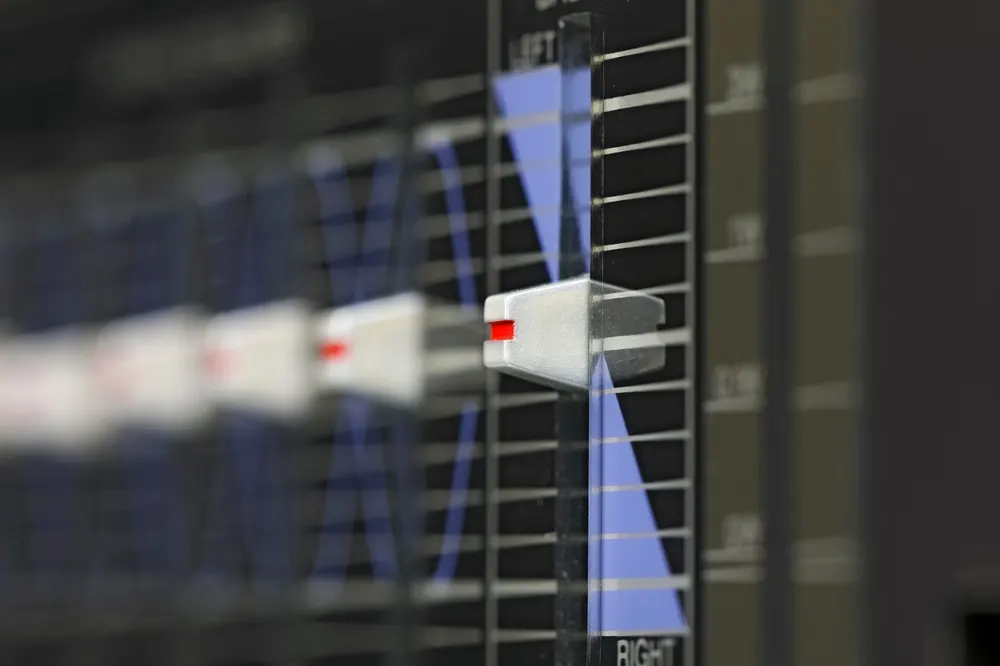
Mono and Stereo
Mono has one audio channel, stereo has two for left and right. Stereo is the norm in television today, though older movies often still run in mono.

Improve Room Acoustics
If the living room reverberates, the TV sound on the sofa sounds muddier than directly in front of the speakers. Carpets, curtains, and absorbers in the right places reduce reverberation, while other measures help against booming bass.
Speech Frequency Range
Speech ranges from approximately 100 to 8,000 Hertz. Most energy lies in the low range, but the quieter consonants between about 1,000 and 4,000 Hertz are crucial for understanding.
Center Channel Explained
Movies with surround sound have a dedicated channel for voices, the center channel. If the corresponding speaker is missing, the TV distributes the voices to the left and right, which is quite audible depending on where you are sitting.
Room Volume
Room volume is a term everyone knows but few can precisely define. It refers to a volume level that is barely audible outside one’s own apartment. This becomes difficult with a TV, because the number on the remote control says nothing about decibels, and the same value can have a very different effect in two different apartments.
Accessible Television
Subtitles, audio description, sign language, and speech-enhanced audio tracks make television accessible when vision or hearing is impaired. The available options often depend less on the television set itself than on the broadcaster and the reception method.
Film Sound Mixing
Film sound is constructed, not simply recorded. Dialogues are re-recorded in the studio if needed, foley artists specifically record footsteps and doors, and music is added last. The final volume of speech relative to all other elements is a decision made during the mixing process.

Audio Description Explained
Audio description is an additional audio track that describes the visual action during pauses in dialogue. If you hear it unexpectedly, you can find the switch in three places.

Clear Speech on TV
When dialogues on television are lost amidst music and effects, the Clear Speech audio track from ARD and ZDF offers a speech-focused alternative. An overview of explanations, settings, and limitations.
Why Are Dialogues in Movies So Quiet?
Dialogues in movies often sound too quiet, while music and effects fill the room. Improved dialogue clarity depends on sound mixing, dynamic range, and TV speakers.

TV Background Music Too Loud: What Helps When Dialogue Is Drowned Out?
When watching TV, music and effects often overpower speech, causing dialogue to be lost in the soundscape. Sheer volume can be a factor, but it is often not the decisive one.
Movie Volume: Sometimes Too Loud, Sometimes Too Quiet
In movies, dialogues are often too quiet, while other effects suddenly blast loudly from the speakers. The wide dynamic range of cinema sound plays a significant role here.
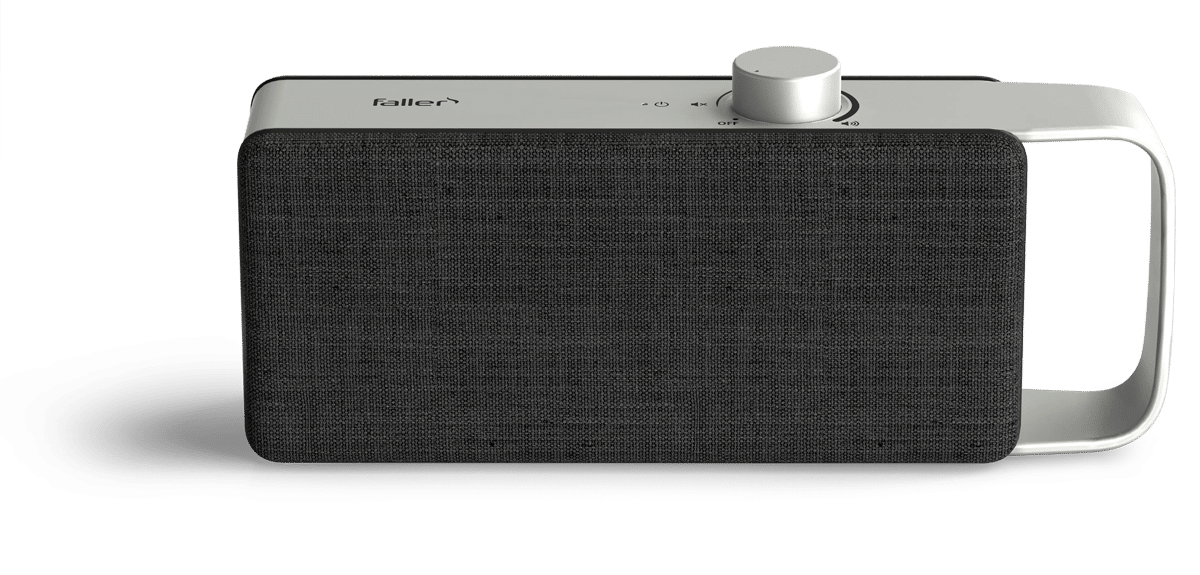
Improving TV Speech Intelligibility
Many people hear the television loudly enough but still do not understand every word. TV settings and external devices are often the solution for better speech intelligibility.

Enhance TV Audio for Clear Speech and Dialogue
Many TVs are loud enough, but often sound unclear and have poor audio quality. Volume can be a factor, but it is often not the actual, correct solution.
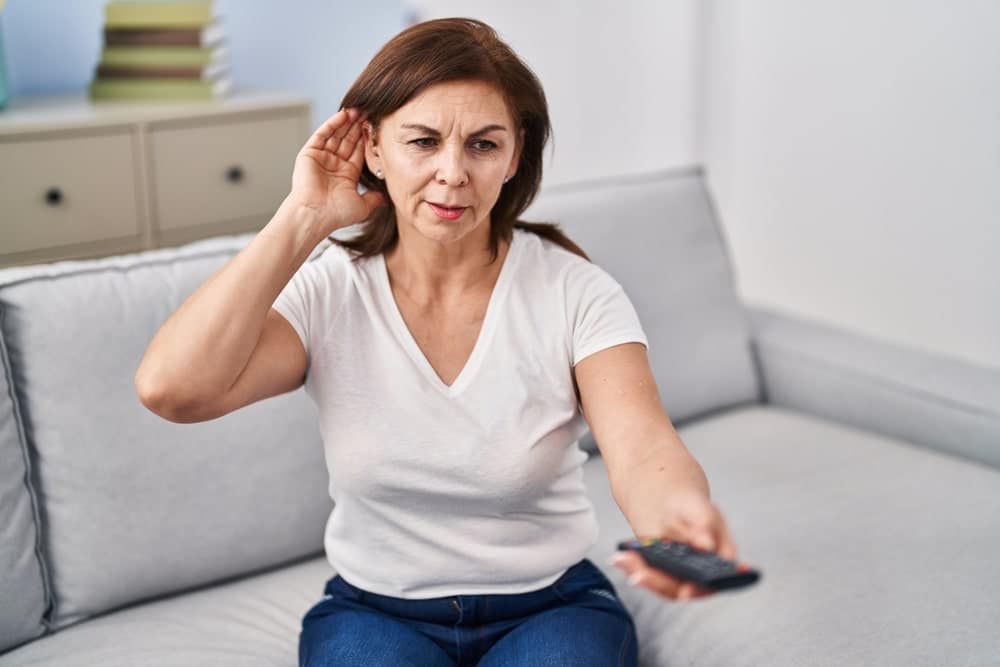
10 Reasons Why TV Sound Is Difficult to Understand
Poor TV sound is rarely just a volume problem. Ten reasons why sound and dialogue get lost in background noise and what the real causes are.